

Spring Multifamily Trends Shaping Apartment Living in 2026 with Aperto Property Management

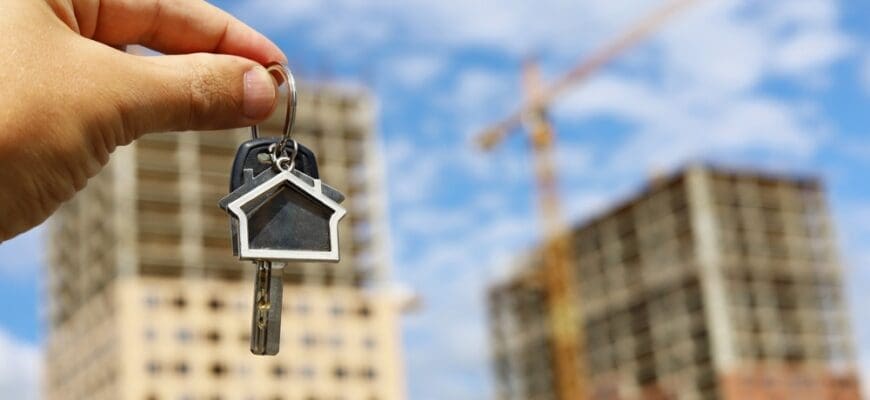
Keychain,In,House,Shape,And,Key,In,Male,Hand,On

How spring is reshaping apartment living in 2026

Spring always reveals what residents want most

Spring has a way of bringing apartment living into sharper focus. People spend more time moving through their communities, noticing how shared spaces feel, how their routines flow, and what makes home feel easier to enjoy. That is one reason this season often reveals the strongest multifamily trends of the year. At Aperto Property Management, a brand built around service, operations, and performance across many communities, spring is a natural time to look at what residents are responding to most clearly. The answer right now is not just one feature or one design choice. It is a broader shift toward apartment living that feels more intuitive, more flexible, and more supportive of real daily life.

Residents want spaces that work harder without feeling busier

One of the clearest spring trends in multifamily living is the desire for homes and communities that feel more useful without feeling overcomplicated. Residents are paying close attention to how apartment spaces support the way they actually live, especially when routines start to change with the season. A home that feels easier to maintain, more comfortable during the day, and more aligned with everyday habits carries more weight than ever. That does not always mean adding more. In many cases, it means designing and managing communities in a way that removes friction. Cleaner layouts, better flow, and more intentional operations tend to leave a stronger impression than anything overly dramatic.

Community experience matters more in the spring

Spring also brings a renewed focus on the feeling of the community itself. This is the season when residents are more likely to spend time outside their front door, take in the property around them, and notice whether the broader atmosphere feels welcoming or disconnected. That makes upkeep, curb appeal, service consistency, and responsiveness even more important in multifamily living. A property may have strong fundamentals, but the resident experience still depends on whether home feels cared for in a visible way. From a management perspective, this is where the quality of operations starts to shape retention just as much as pricing or location. People want to feel that the community is prepared for the season and attentive to how they live in it.

Flexibility continues to lead the market

Another trend that keeps standing out is flexibility. Apartment living now needs to support a wider range of routines than it did a few years ago. Spring tends to highlight that because people shift how they use their time, their homes, and their neighborhoods during this season. A community that can feel productive during the week, social in the evening, and comfortable on a slower weekend usually creates a stronger resident experience overall. That kind of flexibility is no longer a bonus. It is part of what residents increasingly expect from multifamily living. For a management company like Aperto, which positions itself as a strategic partner with a strong emphasis on relationships and performance, those shifts matter because they point to where the market is heading next.
Lease-ups and renovations in California: how to keep resident experience strong while the work gets done

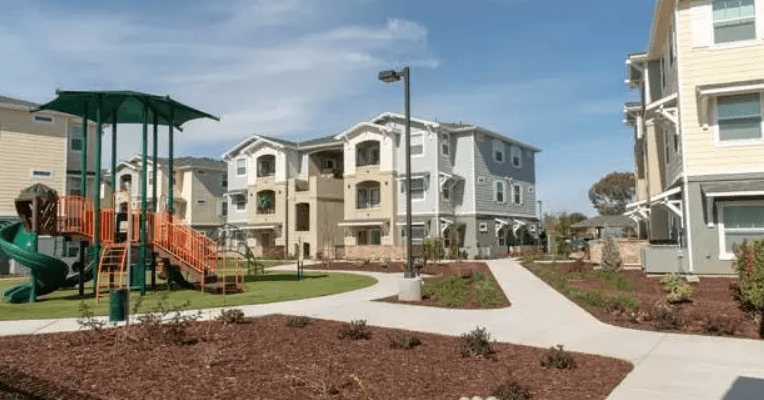
Exterior image of Harvest Park in Gilroy CA

In California, lease-ups and renovations move quickly, and the experience can feel either exciting or chaotic. The difference usually comes down to planning and communication, not the size of the budget. Aperto Living supports a range of community types and project scopes, so we treat transitions like a coordinated campaign. Winter is a smart time to plan because teams can tighten timelines and set expectations before spring demand spikes. Spring rewards properties that look ready, feel organized, and communicate clearly when things change. If you want to protect resident experience during big work, you need a playbook that keeps everyone informed, aligned, and calm.

Start with a timeline that feels real, not optimistic

A lease-up or rehab can succeed only when the timeline respects reality. Build in buffer time for deliveries, inspections, and contractor schedules, because those variables do not care about your calendar. Share what residents need to know in plain language, including what changes, when they change, and how they impact daily routines. Keep the message steady so residents do not feel like the plan changes every week. When the timeline feels honest, residents stay more patient, and teams make better decisions under pressure.

Make communication feel frequent, short, and useful

People do not want long updates that feel like a corporate memo. They want short, clear messages that answer the questions they actually have. Tell residents where work will happen, what hours to expect, and how to prepare, then repeat that information consistently. Use the same communication cadence so residents trust when updates arrive. When you communicate well, you reduce complaints and prevent confusion from spreading faster than the project itself.

Protect the resident experience with clean daily processes

Renovation does not excuse sloppy service, and residents notice when basic responsiveness drops. Keep maintenance workflows predictable, because regular life still happens during construction. Coordinate vendor visits so teams do not stack them unnecessarily, especially in occupied spaces. Close the loop after service, because silence makes residents assume nothing happened. When daily processes remain strong, residents feel supported even during property transitions.

Lease-up success comes from alignment, not hype

Lease-ups work when leasing, maintenance, and operations tell the same story. The marketing message should match the real experience residents get on day one. Make-ready standards need consistency so new residents walk into a home that feels truly prepared. Follow-through on timelines builds trust faster than any sales pitch ever will. When teams align, lease-ups feel smooth and confident, and residents feel like they made a smart choice.

Winter planning makes spring performance smoother

Late winter is the best time to tighten scopes, vet vendors, and refine communication templates. Spring brings more tours, more turns, and less patience for surprises. A calm plan keeps your teams steady and keeps residents feeling respected. That consistency protects reputation, supports retention, and strengthens performance. When you run projects with structure, you get results without sacrificing the experience that makes people want to stay.